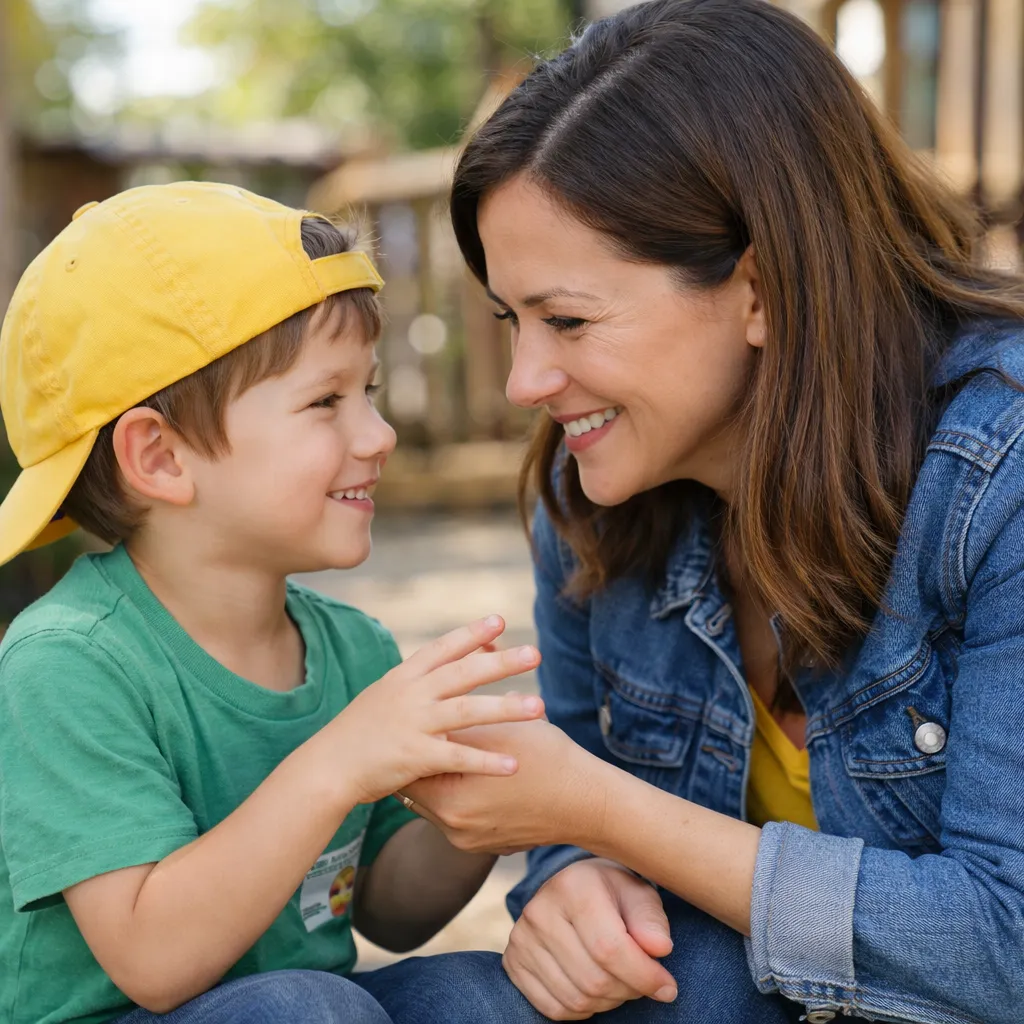
International Women’s Day: Championing Voice, Advocacy and Equity in Our Work
Voice, Advocacy and Why International Women’s Day Matters in Our Work

Every year on March 8th, the world marks International Women's Day. It is often framed as a celebration — and it is — but historically it is rooted in something deeper: women organising, advocating and demanding equitable access to rights, safety and opportunity.
At its core, International Women’s Day has always been about voice. In speech and language therapy, that theme feels particularly powerful.
The Families We Work With.
In our clinical work, we meet extraordinary families. Very often, it is mothers who attend appointments, who read research late at night, who notice subtle communication differences long before anyone else does, and who advocate relentlessly when systems minimise concerns. They are navigating waiting lists, unclear pathways, contradictory advice and, at times, professionals who misunderstand their child’s needs.
Advocacy in these moments is not dramatic. It is persistent. It is informed. It is exhausting. And it matters.
When Communication Is Misunderstood
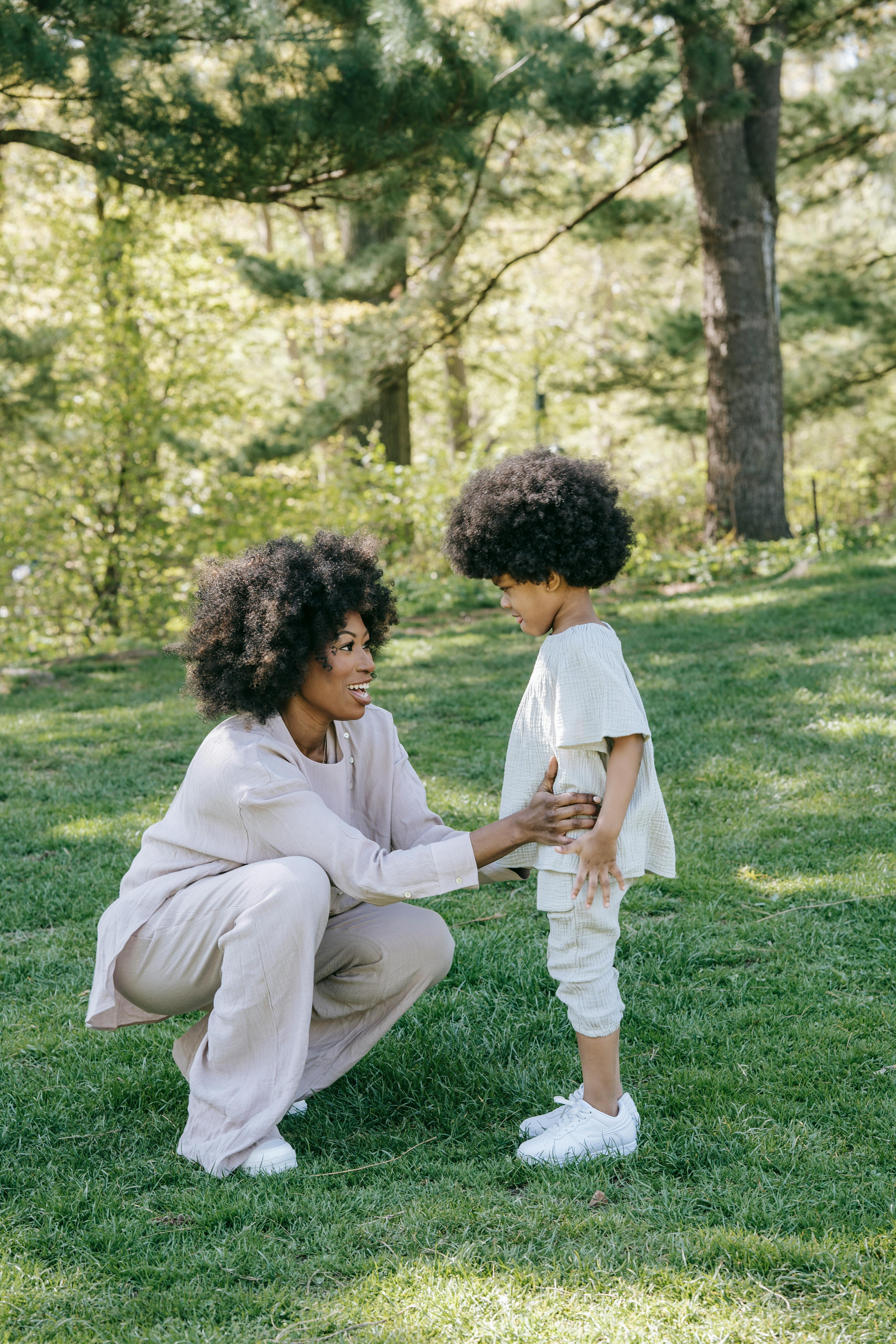
Children who are non-speaking or minimally speaking, who use AAC, who experience motor speech differences such as childhood apraxia of speech, or who have complex sensory processing differences are often misinterpreted.
A child who cannot yet coordinate the motor plan for speech is not “choosing not to talk.”
A child overwhelmed by sensory input is not “misbehaving.”
A child using echolalic or gestalt language is not “being repetitive.”
When we shift from behaviour-based interpretations to understanding underlying systems — motor, sensory, linguistic — everything changes. Support becomes individualised. Goals become meaningful. Progress becomes measurable and respectful. That shift requires knowledge, curiosity and clinical rigour.
What We Believe
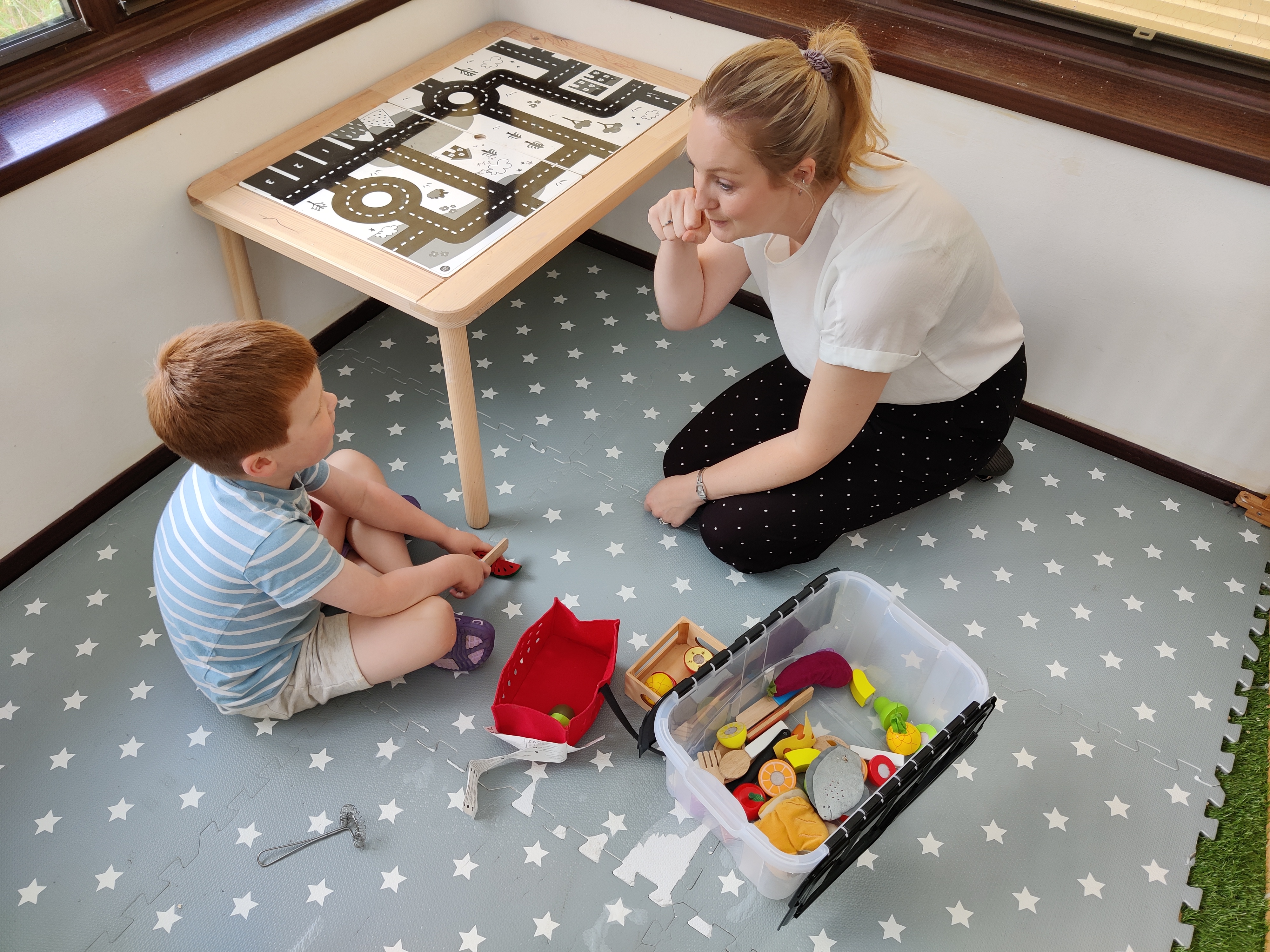
On International Women’s Day, we reflect on what equity looks like in our profession. For us, it means:
• Thorough, skilled assessment rather than generic programmes
• Looking at root challenges rather than surface behaviours
• Rejecting compliance-based approaches
• Recognising communication as a human right
• Empowering parents with knowledge rather than positioning them as confused
It also means acknowledging the gendered reality that much of the invisible labour around children’s additional needs falls to women.
Supporting parents is not separate from supporting children. When parents understand what is happening neurologically and developmentally, they can advocate with clarity and confidence. They become powerful agents of change within education and health systems.
Voice Is More Than Speech
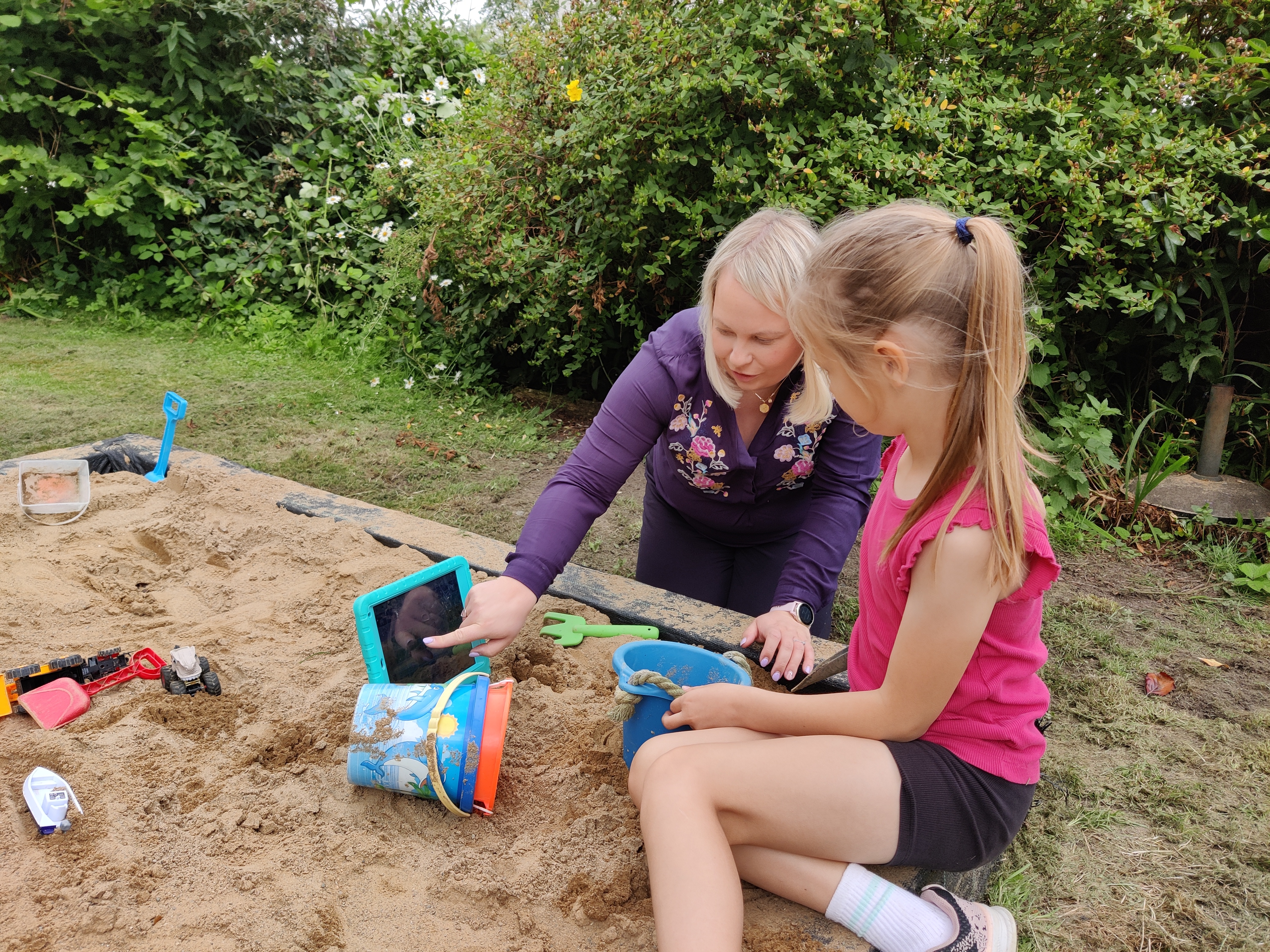
Voice is autonomy.
Voice is being believed.
Voice is access to communication in whatever form works for your body and brain.
International Women’s Day reminds us that social progress has always required collective advocacy. In our small but meaningful corner of the world, that advocacy looks like helping children find reliable ways to communicate — and helping families feel heard in the process.
When one child gains access to communication, a family system shifts. When families feel empowered, systems are challenged. When systems are challenged, change becomes possible. That is work worth celebrating.
And that is why International Women’s Day matters here.
This International Women’s Day, if something about your child’s communication doesn’t feel quite right, trust that instinct — seek understanding, ask questions, and know that your voice as a parent is powerful and worth being heard.
Book a FREE consultation call with us today, or explore our on-demand training and digital projects to start making a difference from home.
Best wishes,
Sara & Rebecca


